
Get Crystal-Clear Hot Tub Water by Following These 6 Rules
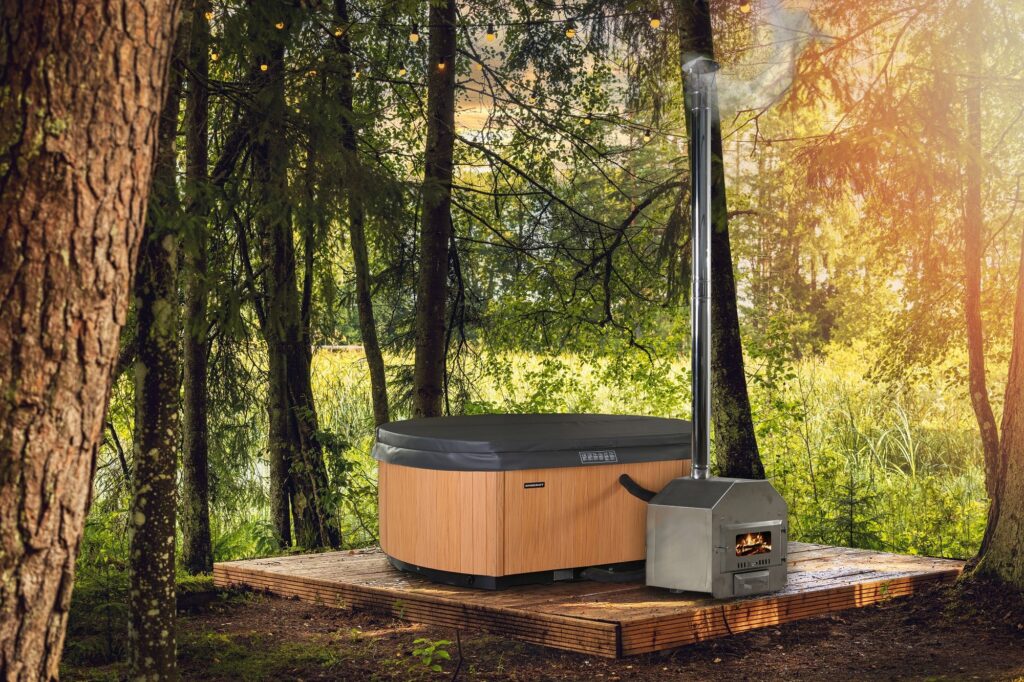

Nothing tops off a great day like relaxing in your hot tub with the warm, crystal-clear water soothing you from head to toe. If you have recently purchased a hot tub, maintaining its ice-cold crispness may seem challenging, particularly over time or if proper care and maintenance are not consistently carried out. Fortunately, you can follow some easy rules to ensure that you have beautiful hot tub water when you come to use it.
This post will discuss the six essential steps for achieving optimal cleanliness and keeping hot tub water crystal clear all year round.
Why does hot tub water go cloudy?
One of the most common reasons for cloudy hot tub water is an accumulation of bacteria or other debris in your filter. If you have not cleaned or changed your filter regularly enough, it can happen. To fix this issue and have crystal clear hot tub water, you should thoroughly clean your filter with a garden hose, scrub it with a cleaning solution or replace it entirely. Also, check your filter regularly to ensure it is not clogged with foreign material.
Another potential cause of cloudy hot tub water is the incorrect level of chemicals in the water. If too many chemicals are in your hot tub water, they can react with one another and create a film on top of the water's surface, making it appear cloudy. To solve this issue, test the pH levels in your hot tub to ensure they are balanced correctly and add more sanitiser if necessary. To maintain a hot tub, you may need to adjust other chemical levels, such as alkalinity or calcium hardness.
Finally, using scented oils or bubble bath products in your hot tub could also cause cloudiness. These products contain ingredients that can react with chlorine and other chemicals in the hot tub water, leading to cloudiness over time. To avoid this problem, avoid using soaps, shampoos, suncream or oils around your hot tub.
Testing & adjusting your hot tub's pH

Testing and adjusting the pH levels of your hot tub is an essential part of hot tub maintenance. A convenient testing kit can quickly provide you with accurate readings to help make sure you are keeping proper pH levels in your hot tub. Your hot tub should be tested regularly, with a pH level between 7.2 and 7.8 being ideal for preventing corroding or scaling on the interior of your tub.
When testing the pH level, if it is higher than 8.0, some acid should be added cautiously, following instructions from the testing kit's manual to lower it back down to a safe range. If left unchecked, improper pH can damage both man-made components and affect swimmers' skin by leaving them feeling itchy after soaking for an extended period of time.
Evaluate the circulation of your hot tub water
Ensuring your hot tub water is crystal-clear and enjoyable to use is one of the most important aspects of maintaining a hot tub. Hot tubs need to have their water circulation managed, as this allows everything from debris like dirt and leaves to other buildups, such as bacteria and oils, to be removed from the water to remain clear.
Hot tub owners can check their water circulation regularly by ensuring that any filters, jets or circulation equipment are running smoothly and do not have any blockages preventing water flow. Additionally, chemical treatments can be added to help keep it clean and clear while actively removing toxins from the hot tub.
Identifying & treating contaminants
Any hot tub owner knows crystal-clear water is vital to enjoying a great soak. However, without proper care and effective products, contaminants can quickly become an issue in your hot tub, obscuring the view and making the water less hygienic. Hot tub maintenance can be broken down into three main steps - identifying, treating, and preventing contaminants from redeveloping.
Identifying which type of contaminant is present can happen with a simple pH test of the water, as some contaminants react differently in different forms of hot tub water. Treating the contaminated area is where certain sanitisers like chlorine or bromine come into play.
Finally, reducing the likelihood of additional contamination means performing regular maintenance such as changing the water every three months, regularly testing the cleanliness of filters, checking for any loose plumbing fittings or fixtures that could allow outside contaminants in, and checking on your chemical levels frequently. With this essential yet important guide, you can keep your hot tub's water shimmering and crystal-clear for years to come.
Balancing calcium hardness
Hot tubs are a great way to relax and reduce stress, but like anything else, they require maintenance. One of the most important tasks for maintaining a hot tub is balancing its calcium hardness. Hot tub water that is not balanced can appear cloudy or hazy, which impacts the overall enjoyment of your hot tub experience.
Calcium hardness should be tested frequently, with a range of 150 to 250 parts per million (ppm) being ideal for most hot tubs. If levels exceed this target range, adding an appropriate chemical or using pH-reducing agents can help lower the calcium back to its optimal level.
Maintaining your hot tub's filtration system
Cleaning the Filter Cartridge
The filter cartridge is one of the essential components of your hot tub's filtration system. Depending on usage, it should be cleaned every couple of weeks or as needed. To clean it, first, remove it from the filter housing and rinse it off with a garden hose. If debris is stuck in the filter, you can remove it with a soft brush or sponge. Then, soak the cartridge in a bucket of warm water mixed with a few drops of dish soap for about 15 minutes before rinsing it with the garden hose.
Checking/Replacing Filter Media
Your hot tub's filter media should also be checked periodically for signs of wear and tear or clogs affecting its performance. Filter media consists of sand, diatomaceous earth, or granular material that helps capture impurities from the water as it passes through the filter housing. If your filter media has become clogged or damaged, you must replace it with new media according to your manufacturer's instructions.
Maintaining Water Circulation
In addition to cleaning and replacing your filter materials, you will also want to ensure that your hot tub's water circulation is working correctly. It means checking for any blockages in the pipes that may prevent water from flowing freely through them. Before using your hot tub, you should also check for leaks around pipe fittings, which may indicate a faulty O-ring seal or other issues.
How to Keep Hot Tub Water Crystal Clear
Keeping your hot tub water crystal clear is essential for both the health of those who use it and the overall lifespan of the hot tub itself. There are several steps you can take to ensure your hot tub water remains clear and clean:
- Test and balance chemical levels regularly (pH, total alkalinity, chlorine/bromine)
- Clean filters monthly (or more frequently for frequent usage)
- Shock the water every 2-4 weeks
- Use a clarifier if water becomes cloudy
- Maintain a clean environment (remove debris, use hot tub covers)
By following these tips and regularly maintaining your hot tub's filtration system, you can ensure that your hot tub water stays crystal clear and inviting.
How often to drain, clean and refill your hot tub
Hot tub ownership is a great way to enjoy leisurely time in the comfort of your own home, but with it comes the responsibility of maintaining a hot tub - including draining, cleaning and refilling it regularly. Hot tub water can become affected by irritants such as skin oils, sweat, and debris that can cause bothersome odours or cloudy water.
To keep your hot tub functioning well and your water crystal clear, we recommend draining and refilling your hot tub every three to four months. Doing so ensures that you take out bacteria and any built-up contaminants while regularly introducing fresh new water into the system. Cleaning your hot tub keeps you safe from germs and bacteria and helps maintain peak performance too.
Conclusion
Hot tub ownership requires a bit of commitment and regular maintenance. Keeping your hot tub crystal-clear and safe means taking the necessary steps to identify, treat, and prevent contaminants like algae, shock, body oils, dead algae particles, foam, and dirty filters. Finally, draining, cleaning and refilling your spa water every three months will ensure that you always have clean, fresh, crystal-clear hot tub water for soaking in! With these tips in mind, you will be able to enjoy the relaxation and amazing benefits of a hot tub for years to come.
Find out more in the Celtic Spas ultimate hot tub maintenance guide.