
Dealing With Algae in Your Hot Tub


At some point, you're likely to encounter algae in your hot tub. This slimy green substance can be unsightly and can even make it difficult to enjoy your hot tub experience. But don't worry - there are ways to deal with algae and get your hot tub looking and feeling great again. In this blog post, we'll discuss methods for getting rid of algae in your hot tub. So read on for tips on how to keep your hot tub clean and algae-free!
What causes algae, mould & mildew in a hot tub?
Algae, mould, and mildew are common problems in hot tubs, especially in areas with warm, moist climates. These organisms flourish in warm, humid environments where nutrient-rich water is plentiful. They typically develop in recreational water systems that are not regularly sanitized or maintained well.
Some of the main causes of algae growth in hot tubs include improper chemical balance and improperly treated or contaminated water. If the hot tub's pH levels are too high or too low, this can promote the growth of harmful microorganisms such as bacteria and fungi. Additionally, if the water quality is poor due to organic matter like leaves or scum floating on the surface, this can also fuel the growth of algae and other microorganisms.
To prevent these unwanted microorganisms from taking over your hot tub, it is essential to keep your chemicals balanced and keep your water clean by regularly draining and scrubbing it. You should also designate an area for people to rinse off before getting into the tub so that dirt, debris, and other contaminants don't enter the water. With regular care and attention, you can keep your hot tub algae-, mould-, and mildew-free for a relaxing spa experience every time!
Are algae, mould or mildew in a hot tub dangerous?
There is no straightforward answer to this question, as the risks associated with algae, mould, or mildew in a hot tub can vary greatly depending on several different factors. For example, if the hot tub is in a wet or humid climate, it will likely be much more susceptible to these types of microorganisms than a hot tub in a dry region.
Furthermore, the quality and condition of the water in the hot tub can also play an important role. If chemicals like chlorine are not added at regular intervals or in sufficient quantities, then algae, mould, and mildew may begin to form more easily. Ultimately, whether or not algae, mould, or mildew in a hot tub is dangerous depends largely on the specific situation. But regardless of whether it poses any immediate risk to your health or well-being, it is always best to be proactive when it comes to maintaining clean water for your hot tub.
By ensuring that there are no growths present and that all contaminants have been properly dealt with using appropriate cleaning products and protocols, you can maintain optimal conditions for the safe and enjoyable use of your hot tub.
How to deal with algae, mould & mildew:
1. Drain the hot tub
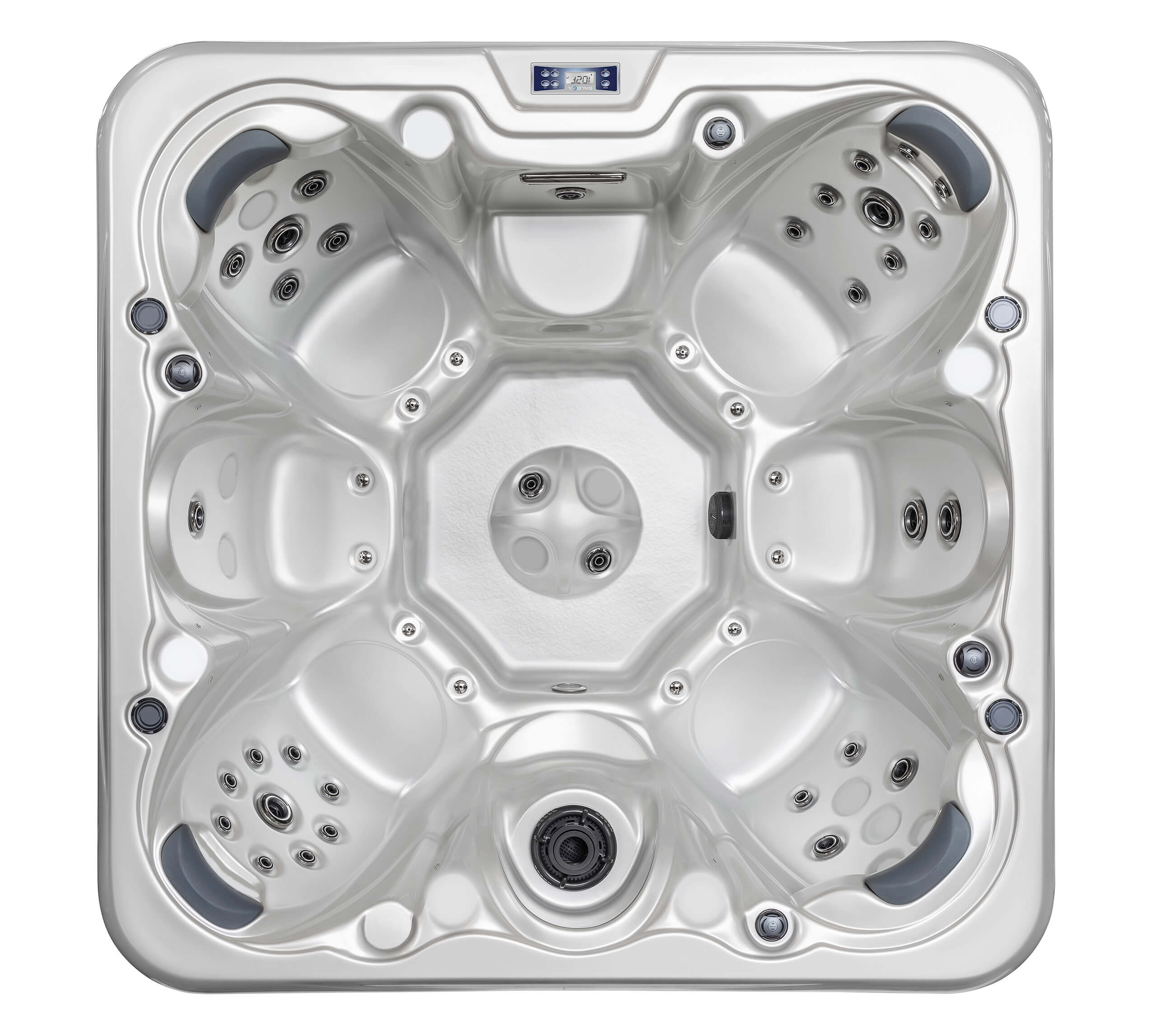
There are several reasons why you might want to drain your hot tub to deal with issues like algae, mould, and mildew. For one thing, these common problems can lead to discolouration and unpleasant odours that can make it difficult to enjoy the relaxing benefits of your hot tub. Additionally, excessive buildup of algae or other types of contaminants can damage the structure and function of your hot tub by clogging filters or reducing circulation.
The first step to dealing with these problems is to drain your hot tub. Once the water has been removed, you'll be left with the bare hot tub, which you can then treat accordingly.
2. Clean or replace the filters
Keeping your hot tub in good condition is essential for ensuring a positive and enjoyable experience each time you use it. One of the most important aspects of maintaining a hot tub is regularly cleaning or replacing the filters to prevent exposure to harmful algae, mould, and mildew. Algae, in particular, can be quite damaging to the health and appearance of your hot tub. It can cause discolouration and staining of your tub's surface as well as accelerate the corrosion of its metal components. Additionally, it may produce unpleasant odours that can take away from the relaxing atmosphere that you're trying to create.
By keeping your filters clean or replacing them with fresh ones regularly, you can effectively prevent these issues from arising and ensure that your hot tub stays in top shape for many years to come.
3. Clean the hot tub seats, cover and floor
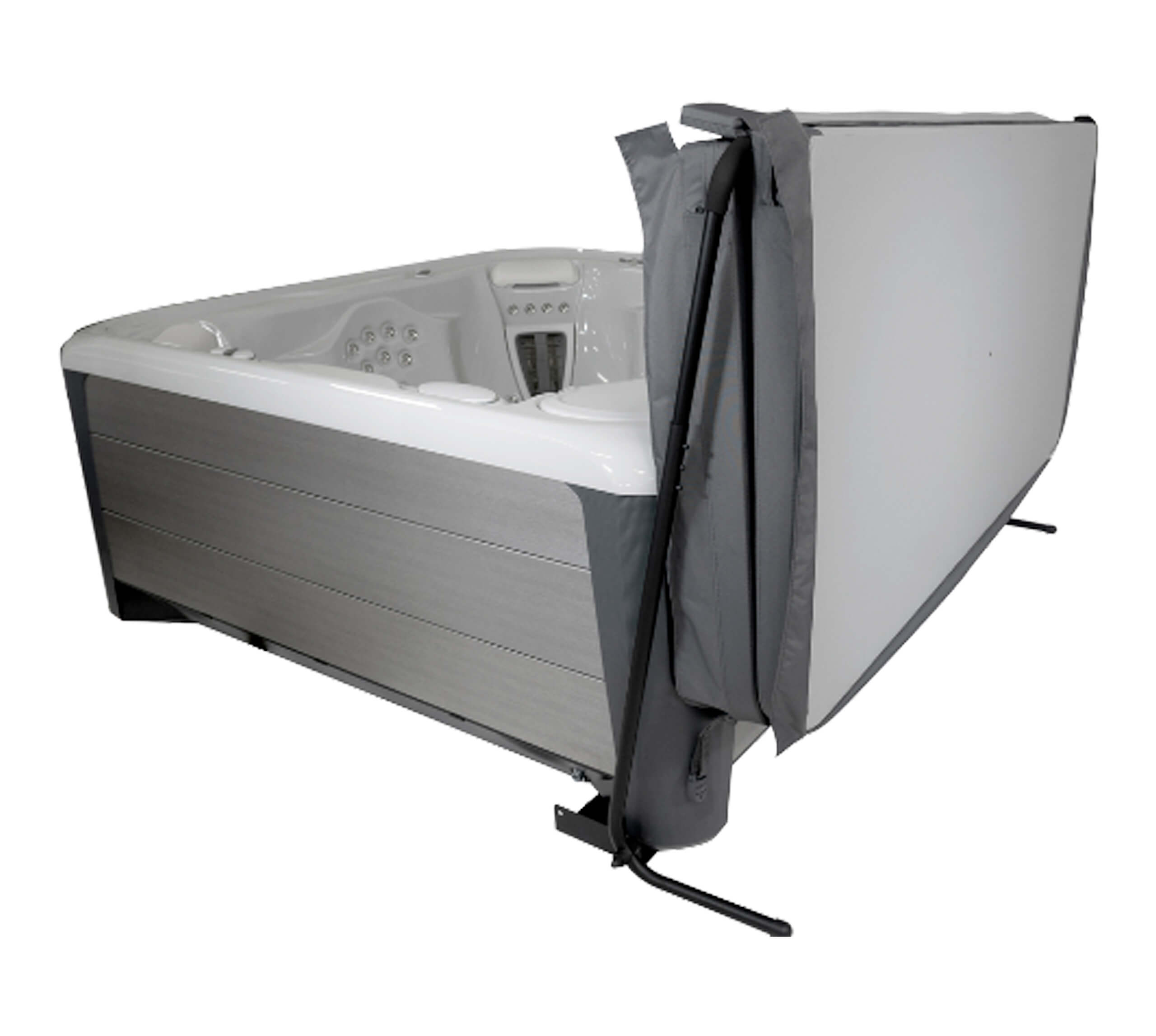
The cleaning and maintenance of a hot tub are essential if you want to keep it operating properly and safely. One important part of this maintenance routine is taking steps to clean the hot tub seats, cover, and floor regularly. Doing so helps to prevent algae, mould, and mildew from forming in the hot tub, which can create unpleasant odours and create a hazardous environment for bathers. There are several key steps that you can take to effectively clean these areas of your hot tub.
First, start by scrubbing the seats with a stiff brush or cloth to remove built-up grime and residue. Then, use a disinfectant cleaner to disinfect the seats and floor of the hot tub as well as its cover. Be sure to rinse all of these surfaces thoroughly with fresh water once you have wiped them down with the cleaner. You may also want to use a vacuum or wet-dry shop vac on these surfaces if they are particularly dirty or covered in debris. Finally, make sure that you rinse off any residual disinfectant before using your hot tub again, as it can be harmful or irritating to humans if ingested.
By following these simple tips for cleaning your tub seats, cover, and floor regularly, you can help prevent the buildup of harmful algae, mould, and mildew that can pose serious health risks for bathers.
4. Refill the hot tub
One of the most common problems that can plague a hot tub is mildew, algae, and other types of mould. These unsightly growths can be very difficult to get rid of, and they can cause damage to the water in your hot tub as well as to the surface of your hot tub itself. To effectively deal with these issues, you need to take steps to prevent mould buildup and remove existing mould from your hot tub.
One effective way to accomplish these goals is by refilling your hot tub regularly. This helps to keep impurities from building up in the water, which in turn decreases the risk of harmful mould and mildew growth. Additionally, refilling your hot tub regularly helps ensure that all pieces of equipment are properly lubricated and maintained, which makes it easier for them to operate smoothly over time. So if you want to protect your hot tub against mould and other types of damage, then be sure to refill it regularly!
5. Shock the hot tub

When it comes to hot tubs, one of the biggest problems for homeowners is dealing with algae, mould, and mildew. These pesky substances can not only make your hot tub unpleasant to use, but they can also pose a serious health risk if left untreated. To keep your hot tub clean and safe for use, it is important to shock your hot tub regularly. Shocking helps to eliminate these harmful microorganisms by raising the water's chlorine levels and killing bacteria at their source.
Additionally, shocking the hot tub regularly can help prevent the growth of these pesky organisms in the first place by keeping your water clean and clear. So if you want to enjoy a relaxing soak without worrying about dealing with stains or harmful microbes, then remember to shock your hot tub regularly! And remember – always double-check with your spa manufacturer before adding any chemicals to your water. Happy soaking!
6. Test the hot tub ph
Maintaining a hot tub is an important part of enjoying it safely and fully. One of the key components to consider when caring for a hot tub is the balance of different chemicals in the water, including pH. A hot tub's pH level plays an important role in keeping it clean and free of harmful bacteria, such as algae, mould, and mildew.
To maintain the correct level of pH, you must regularly test your hot tub and make any necessary adjustments to neutralise damaging compounds. Not only will this help to keep your hot tub clean and safe to use, but it will also help prevent issues like odour problems or discolouration that can otherwise spoil your relaxing experience. So next time you plan to use your hot tub, be sure to test its pH levels and work to keep them balanced.
How to prevent hot tub algae with regular maintenance
One of the most common problems that homeowners encounter with their hot tubs is the presence of algae. Algae can make your hot tub water unsightly and unpleasant, and it can also make it difficult for you to enjoy using your hot tub. Luckily, there are a few simple steps that you can take to prevent the growth of algae in your hot tub.
First, filters should be changed regularly to keep algae from building up in your hot tub. By regularly replacing filters, you can keep your water clean and clear, preventing filmy residue and smelly odours caused by algae growth.
Second, it is important to sanitise your hot tub regularly. This can be done easily with the use of specific chemicals and chemicals will help to break down any existing algae colonies in your water.
Finally, taking other preventive steps like using an algaecide or increasing the chlorination rate of your hot tub are also effective ways to prevent the growth of hot tub algae. With regular maintenance and care, you can keep your hot tub clean and enjoyable for many years to come!
How to treat cloudy hot tub water
There are several things you can do to help clear up cloudy hot tub water. The most obvious solution is to run the filter for a longer period, which will help to remove dirt and debris from the water. Another strategy is to use chemicals that are specifically designed for removing cloudiness from your hot tubs, such as clarifiers or alkalinity increasers. These products can be added directly to the water or used with a specialized filter to help speed up the process of clearing up your hot tub water.
Finally, if your hot tub has an automatic chemical feed system, you can also consider adjusting the settings to find the right balance of chemicals that work best for your particular hot tub water. Whatever method you choose, just be sure to follow any specific instructions provided by the manufacturer so that you don't inadvertently harm the health of your spa. With proper treatment, clear and sparkling hot tub water should be just a few steps away!
Yellow vs green algae
Yellow and green algae are types of single-celled organisms that play important roles in many aquatic ecosystems. While there are some similarities between these two species, there are also significant differences in their physical properties and ecological functions.
The main difference between yellow and green algae is their colour. As the names suggest, yellow algae tend to have a bright yellow or golden-yellow hue, whereas green algae often have a pale or light green colour. This is due to the pigments contained within each species' cells, which give them their distinctive colours.
Another major difference between these two species is their size. Yellow algae range in size from very small cells that can only be seen under a microscope to macroalgae that grow into large seaweeds more than 100 feet long. In contrast, most types of green algae are relatively small, rarely growing over a few inches in length. However, there are some larger species of green algae, such as giant kelp plants found in temperate oceans.
So overall, while yellow and green algae share many common features as algal species, they also have some key differences in terms of size, colour, and other characteristics. These distinctions help to shape the role each type plays in various aquatic ecosystems across the globe. When it comes to your hot tub, however, treatment is the same.
Conclusion
Algae in your hot tub are unsightly and can be a health hazard. It's important to deal with algae problems as soon as they are noticed. There are several ways to get rid of algae, but the most effective methods vary depending on the type of algae present. Follow these tips to clean up your hot tub and keep it free of algae!
Dig into more tips and tricks on our ultimate hot tub maintenance guide on the Celtic Spas blog, or check out these suggested guides: