
Hot Tubs: A Guide to Different Construction Materials
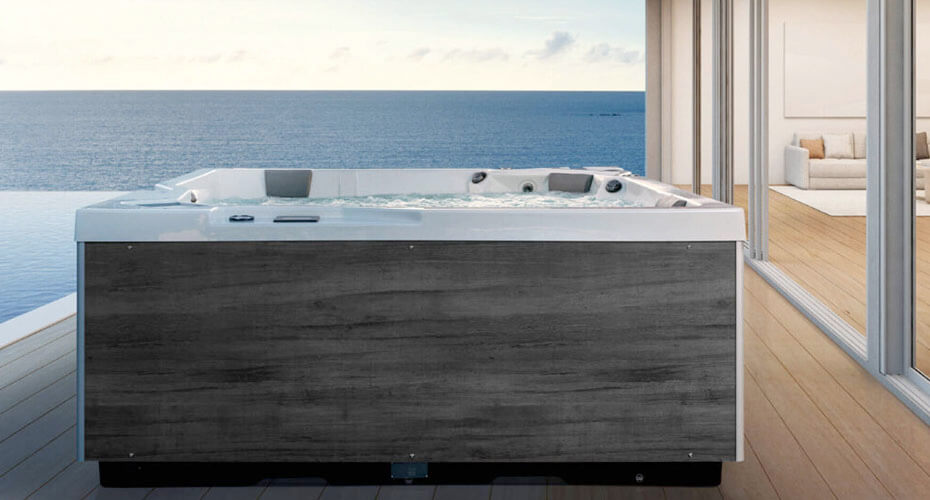

If you’re considering buying a hot tub for your backyard, one of the most important decisions is regarding which construction material to use. With dozens of materials available today that are suitable for building hot tubs, it can be hard to decide which one best fits your lifestyle and needs. This blog post will provide an overview of some popular construction materials used in hot tubs today, so you can make an informed decision before buying your tub.
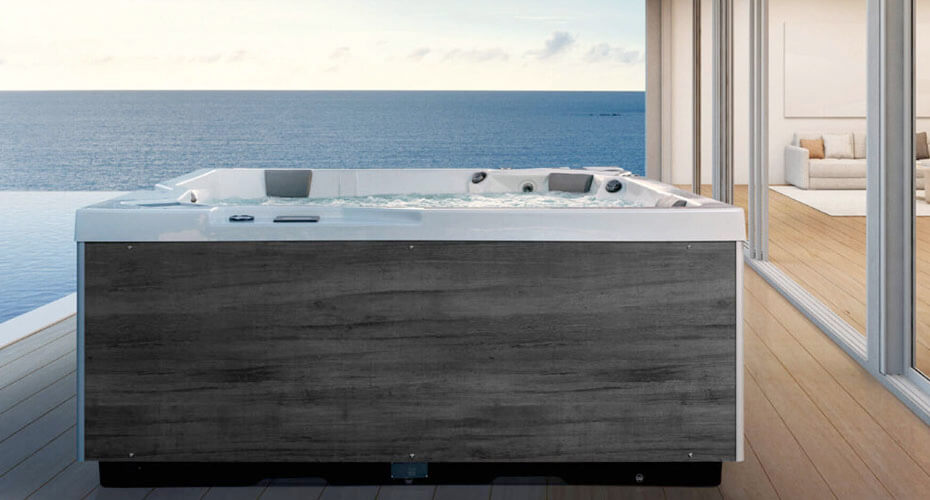
Why is the Construction Material of a Hot Tub Important?
The construction material of a hot tub is critical, as the material affects the longevity and lifespan of your hot tub, and also determines temperature retention, how easy the surface is to clean and maintain, and the overall comfort of the tub. Commonly used materials include acrylic, wood, stainless steel, and certain plastics or composites; each with its own advantages and drawbacks.
Acrylic Hot Tubs: Pros and Cons of the Most Popular Material
Acrylic hot tubs have become increasingly popular in recent years due to their low maintenance cost and easy installation. On the other hand, they can come with a few potential downsides, such as a lack of comfort from the seating surface and potential cracking or staining from exposure to chemicals in your hot tub water. However, these issues tend to arise in cheaper mass-produced models, which is why it's important to invest in an acrylic hot tub from a well-known, respected European brand, such as Hanscraft.
Wooden Hot Tubs: The Traditional and Rustic Option
Wooden hot tubs offer a traditional and rustic experience with unparalleled elegance. They bring an atmosphere of natural luxury to any outdoor space, blending effortlessly into the environment as art pieces come to life. With wooden hot tubs handcrafted from high-quality materials, no two are exactly alike - offering a unique addition to any home décor. Wooden hot tubs also boast a certain level of durability that ensures years of enjoyment for families and friends for generations to come. All in all, if you're looking for a timeless way to relax outdoors, nothing quite compares to having your own wooden hot tub!
Fiberglass Hot Tubs: Lightweight and Durable Material
Hot tubs designed with a tank made from fibreglass are an excellent choice for anyone looking for both a lightweight and durable spa experience. Fiberglass is far lighter to install than traditional hot tub materials such as concrete or cast iron, meaning it can be placed virtually anywhere in your garden. On the other hand, fiberglass hot tubs will require regular maintenance, as they are easily stained if not taken care of. Without regular balancing of chemicals and cleaning, you might even find algae growing.
Stainless Steel Hot Tubs: Modern, Stylish, and Long-Lasting
If you're looking for a long-lasting addition to your outdoor space, stainless steel hot tubs could be a good choice. Not only do they boast a modern, stylish look, but they are also incredibly durable and corrosion-resistant. This makes them ideal for outdoor use because they require minimal maintenance, saving you time and money down the road. Plus, stainless steel is known to retain heat more effectively than other materials, so you can look forward to longer and warmer soaks with this type of hot tub! With their simple yet chic design, stainless steel hot tubs can add a touch of luxury and timeless appeal to any patio or backyard space.
Concrete Hot Tubs: A Customisable and Practical Material
As well as providing a great design element for your outdoor space, concrete is also one of the most long-lasting and practical building materials. Concrete itself is highly resistant to water damage, meaning it won't corrode or crack over time. Even if it does become stained or discoloured, repair and restoration work is relatively easy due to its durability. Plus, if a particular area needs repairing or replacing together, it can be resealed with relative ease. Simply put: For whoever desires customisation on an incredibly practical material, concrete hot tubs are definitely worth considering.
Inflatable Hot Tubs: Affordable and Portable Material
Inflatable hot tubs offer superior portability; simply deflate the tub and easily move it from place to place. On the flip side, this additional flexibility comes at the cost of durability. Inflatable hot tubs, while cheaper, are unlikely to last anywhere near as long as a built-in hot tub, as they are generally more susceptible to rips and tears. That said, if you're looking for an affordable and low-maintenance way to enjoy a hot tub experience, then this could be a great temporary option.
Hybrid Hot Tubs: Mixing Different Materials for Better Results
Hybrid hot tubs are the latest trend to hit the market, offering a unique blend of two different materials that each has its own advantages. The idea is simple, pair one material that offers superior heat retention with another material that provides superior strength and you can create a spa-quality hot tub outfitted with features others just don't have.
Hybrid hot tubs offer substantial energy savings since they retain heat much more effectively than other models on the market. Plus, their strength and durability make them perfect for any home setting since they are built to last longer than other styles. With hybrid hot tubs, homeowners get all the convenience and luxury of a high-end spa with all the money-saving benefits of a budget model.
Maintenance Tips for Hot Tubs
No matter which type of hot tub you choose, it's important to keep up with regular maintenance. This includes cleaning and replacing your filters regularly, as well as treating the water with products like bromine or chlorine to kill bacteria. Cleaning the surface of your hot tub is also important, as dirt and debris can build up over time. It's also a good idea to inspect the hot tub and its parts so you can spot issues before they arise. Finally, make sure you keep a stock of hot tub chemicals and testing equipment to ensure you can keep on top of your hot tub's hygiene levels.
Hot Tub Insulation
Investing in a hot tub can be a great way to relax and unwind, but without proper insulation, your tub can become victim to unwelcome temperature fluctuations. Selecting a model with appropriate hot tub insulation will provide superior thermal performance, keeping temperatures consistently comfortable for you and your family, even in the winter.
Moreover, reliable hot tub insulation will minimise energy consumption significantly over the course of its use - meaning not only more dependable comfort but also lower energy bills at the same time. When it comes to hot tub insulation, there are a few options on the market. Most hot tubs will have insulation of some kind built in, so it's important you check the specifications of the tub you are hoping to buy.
Types of insulation
Foam insulation is one of the most common types and works by trapping air between two walls of foam material to create a stable temperature. This type of hot tub insulation is typically found in ready-made spas, but can vary in its ability to retain heat (partial foam insulation is less effective than full foam insulation) - so it's always worth checking the energy efficiency with the business you are buying the hot tub from.
Inflatable hot tubs don't come with any insulation, which means the material you provide yourself will be the only thing preventing heat from escaping. This makes them ineffective when it comes to heat retention. Thermal wrap-around blankets are another way retailers can claim their hot tubs are 'insulated'. In fact, having a thermal blanket (aka a thermal wrap) is barely better than no insulation.
You should avoid any hot tubs that don't come with full hot tub insulation, as you will ultimately end up paying over the odds when it comes to running costs.
Thermocovers
A hot tub cover is designed to keep leaves and debris out, while also helping to maintain the temperature of your hot tub. There are two main types - soft and hard covers. Soft covers, also known as 'thermocovers', act like an extra layer of insulation that help keep heat in, while hard covers are designed for added security against unauthorised access or theft.
All of our state-of-the-art hot tubs come with a high-quality cover that has been expertly designed to retain the maximum amount of heat while also being incredibly easy to manoeuvre. Our thermocovers are robust, durable and suited to all weather conditions - giving you complete peace of mind.
In conclusion
When it comes to choosing a hot tub, it's important to remember that good insulation is paramount. If you don't have the right type of insulation, your hot tub won't retain its heat and you could end up paying extortionate energy bills. Make sure you choose a model with full foam insulation or invest in an additional thermocover for added protection.
By following these tips, you can ensure your hot tub will provide optimal comfort and performance for years to come. Happy soaking!
Ready to learn more about caring for your hot tub? Click here to read our ultimate guide to hot tub maintenance.